
Jeffrey Epstein Associate Ruins School Picture Day for Thousands of Students
The Collision of Institutional Trust, Elite Scandal, and a Child’s Portrait

There is a crucial question that recurs wherever intimate human relationships and institutional opacity come into conflict.
On picture day, no one is thinking about private equity firms.
Children line up in pressed shirts and borrowed ties. A teacher straightens a collar. A photographer adjusts the light and asks for a natural smile, the kind that appears only after a child stops trying so hard. The result is not simply an image file to be printed or downloaded. It is a marker in a family’s memory. School portraits are quiet witnesses that testify to time passing, growth that cannot be reversed, and the fragile dignity of childhood.
That is why the controversy surrounding Lifetouch, one of the nation’s largest school photography companies, is so unsettling.
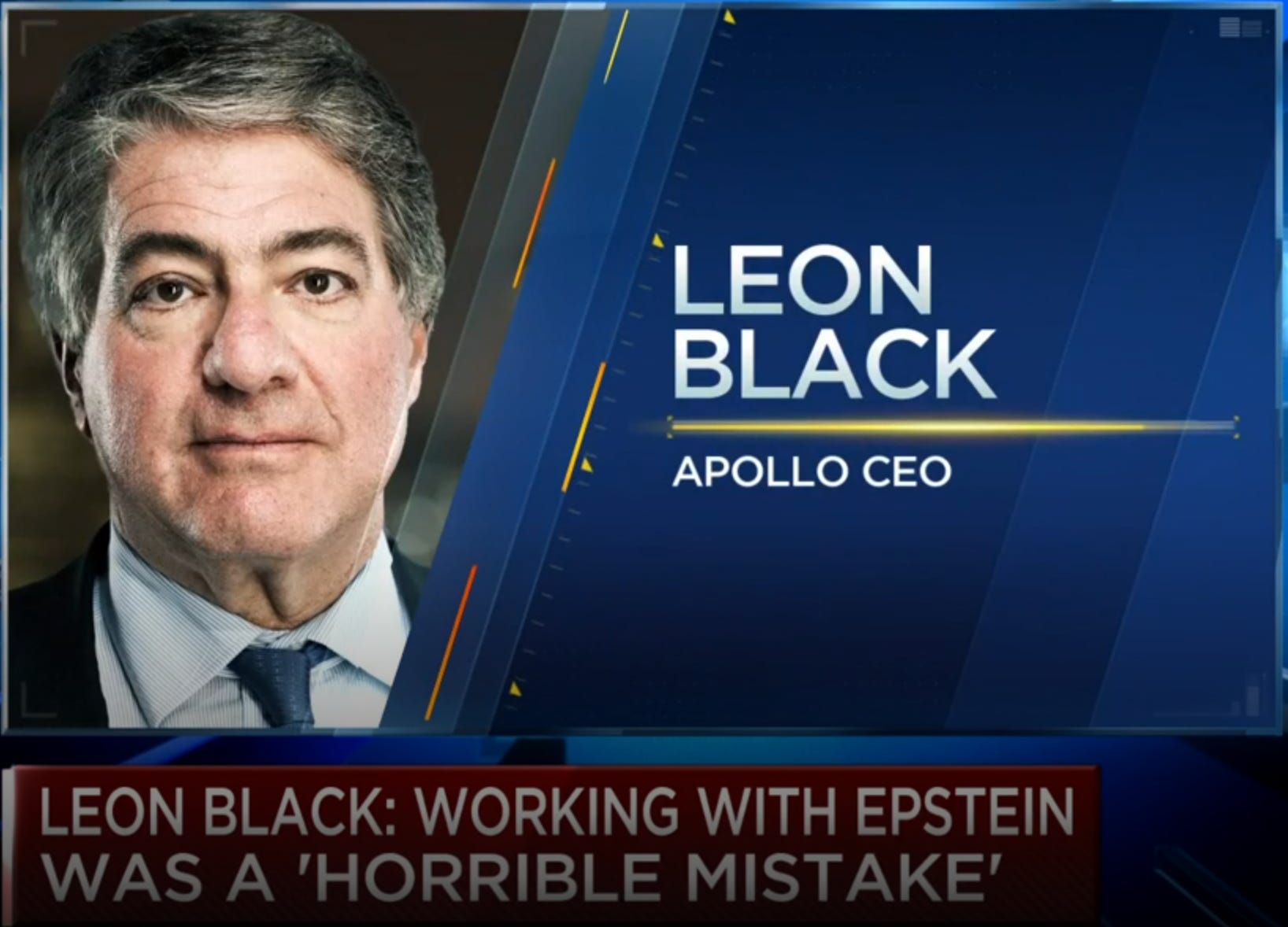
Lifetouch operates under Shutterfly, which Apollo Global Management acquired. Leon Black co-founded Apollo and led it for years. However, his widely criticized financial relationship with Jeffrey Epstein has been publicly investigated and extensively reported.
For example, an internal review commissioned by Apollo concluded that Mr. Black paid Epstein approximately $158 million over several years for tax and estate-planning services, even after Epstein’s 2008 conviction for sex offenses involving a minor. The review stated that Mr. Black was unaware of additional criminal conduct and found no evidence that he participated in wrongdoing.
Even so, the scale of the payments and their continuation after that conviction have struck many observers as, at the very least, deeply troubling and difficult to reconcile with ordinary business practice. More recently, some reports have raised questions about whether Apollo fully disclosed the scope of executive contacts with Epstein, a claim the firm disputes.
Still, no one has alleged that Lifetouch misused student photographs. The company has stated that it is not named in the released Epstein materials and that student images are not shared with outside parties. Presently, there is no evidence of misconduct involving the company itself.
If this were only about criminal liability, Lifetouch would be in the clear and moving forward doing business as usual. But the reaction in several districts suggests that something else is at work. Contracts are being reviewed. Some schools have canceled sessions. Parents are uneasy, and not only because of social media.
As a parent, grandparent, and professional photographer, I believe the usual way this topic is discussed misses what is actually happening. It asks whether Lifetouch appears in investigative documents. Or it explains the reaction as reputational spillover, as though stigma spreads by association. Or it attributes concern to online panic. Each explanation contains a fragment of truth. None goes to the root of the problem, which is institutional trust.
Many corporations are built through layers of ownership that are entirely lawful and often efficient, yet largely invisible to the people who encounter the brand at ground level. Private equity firms aggregate capital, acquire companies, and manage portfolios. For most goods and services, that structural obscurity does not trouble anyone. Few customers inquire into who ultimately owns the grocery chain or software platform they use.
But a child’s portrait is not a grocery item or some cool app. It is an image entrusted to adults in a setting more akin to a family tradition than a commercial transaction. When parents discover that the company responsible for photographing their children sits inside an ownership chain connected, however indirectly, to a figure synonymous with sexual exploitation, the corporate structure itself comes under moral scrutiny.
Lifetouch’s assurance that Apollo has no operational role in handling images answers a narrow, technical, and important question about access. It does not fully answer a broader concern about governance and responsibility. Formal compliance answers legal questions; it does not always answer moral ones. The problem is that parents are not drafting securities filings. They are asking, in plain terms, who stands behind the institution that holds their child’s likeness and whether that institution is shaped by incentives they would recognize as decent.
We should be careful here. Association is not guilt. If every company with an investor linked to a disgraced individual were treated as culpable, ordinary commerce would become impossible. A free and civil society depends on such distinctions, and due process is a moral commitment, not a legal nicety.
At the same time, it is neither foolish nor hysterical for parents to react strongly when children are involved. Jeffrey Epstein’s name functions as more than a legal reference. It represents a collapse of elite accountability that many Americans believe went unanswered for too long. When that symbol touches a child-centered enterprise, even at several removes, reassurance grounded only in compliance can feel thin.
The more useful question, then, is not whether the public is overreacting. It is whether the institutional arrangements leave families with any meaningful form of oversight short of withdrawal. When ownership is layered and distant, letters to parents and press releases feel abstract, exit feels concrete, and cancellation becomes the only visible lever. That may be an imperfect response, but it is a rational one.
Again, none of this establishes that Lifetouch committed wrongdoing. Rather, it suggests that we have grown accustomed to routing intimate human practices through structures designed for financial efficiency instead of public legibility. We should not be surprised when that design falters under the weight of moral suspicion.
Picture day will continue. Children will still sit before soft backdrops and bright lights. But beneath the familiar choreography lies a question we have postponed: in an economy where power is diffuse and capital is mobile, who is morally answerable for the institutions that shape our children’s memories?
Until we can answer that question in terms that ordinary people can understand without a flowchart, controversies of this sort will not disappear. They will recur wherever intimate human relationships and institutional opacity come into conflict.